What Sleeps Beneath is an online magazine that explores the horror genre as one of the most important cultural vehicles of our time. It is a home for all horror-loving nerds, and a space to investigate what the genre tells us about ourselves. We write book and movie reviews, conduct interviews, and write original academic research.
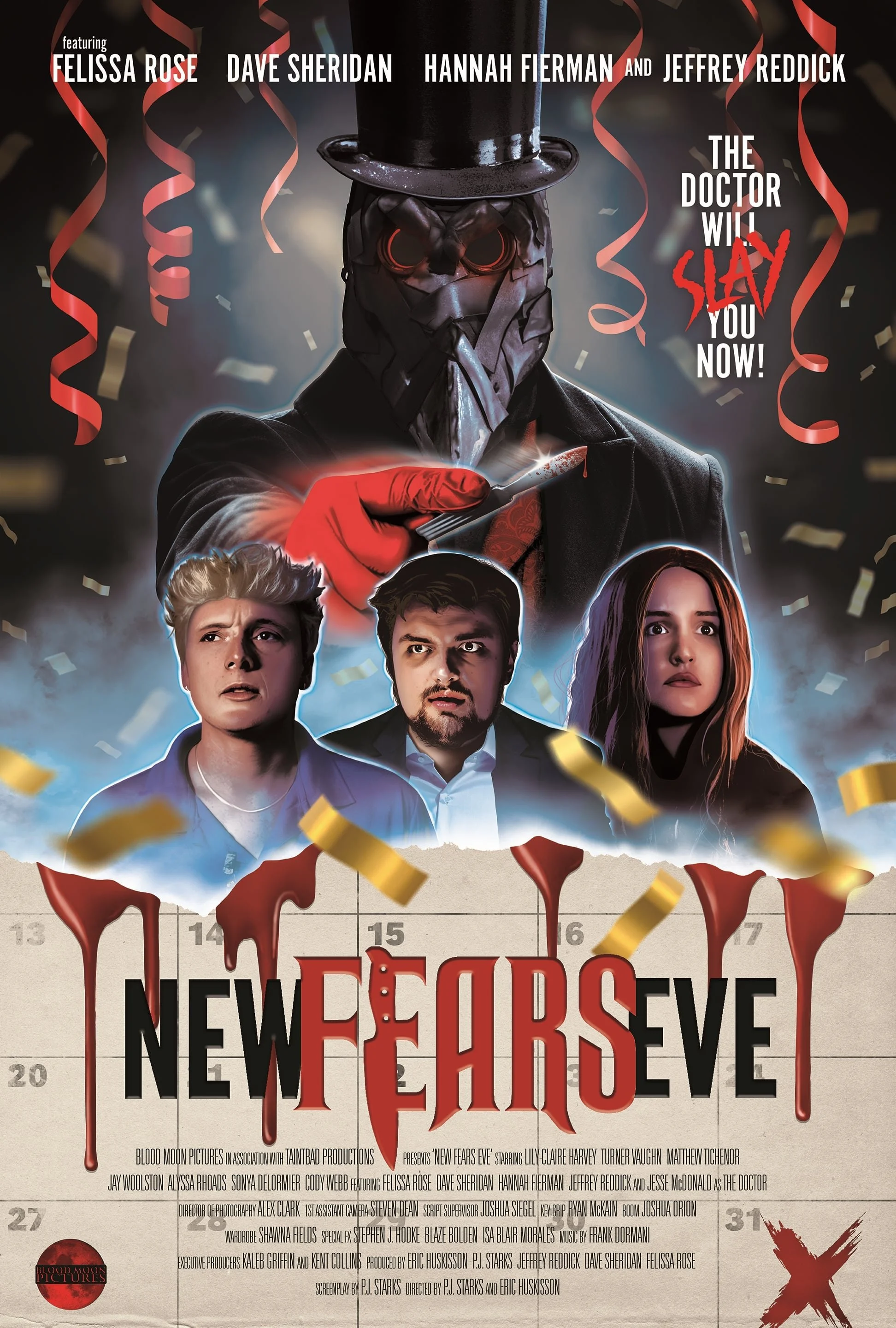
Co-director of New Fears Eve, P.J. Starks, talks about the making of his newest hit on Screambox, working with industry legends, and what’s next for both “The Doctor” and the director, himself.
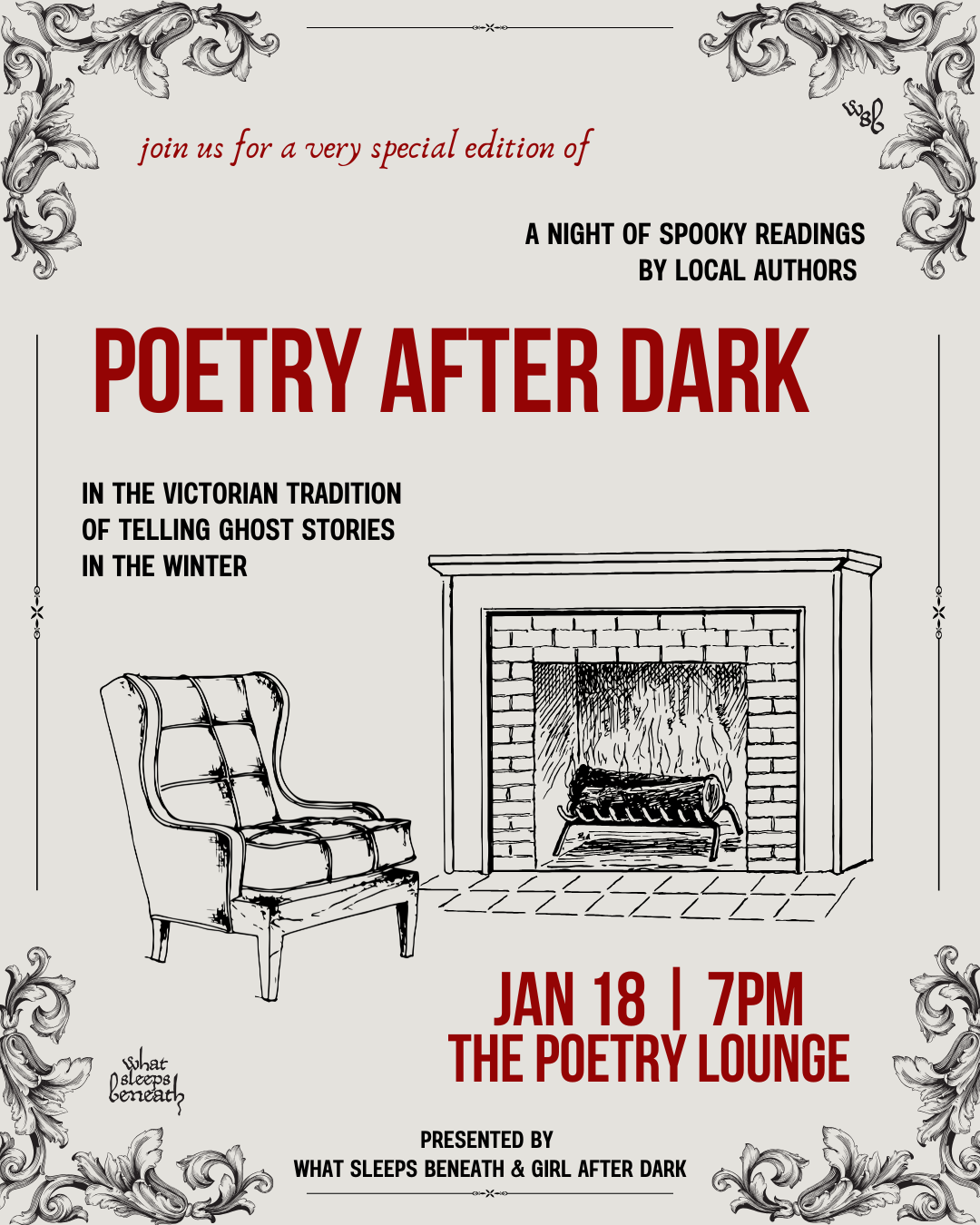
Join us for a night of ghost stories!
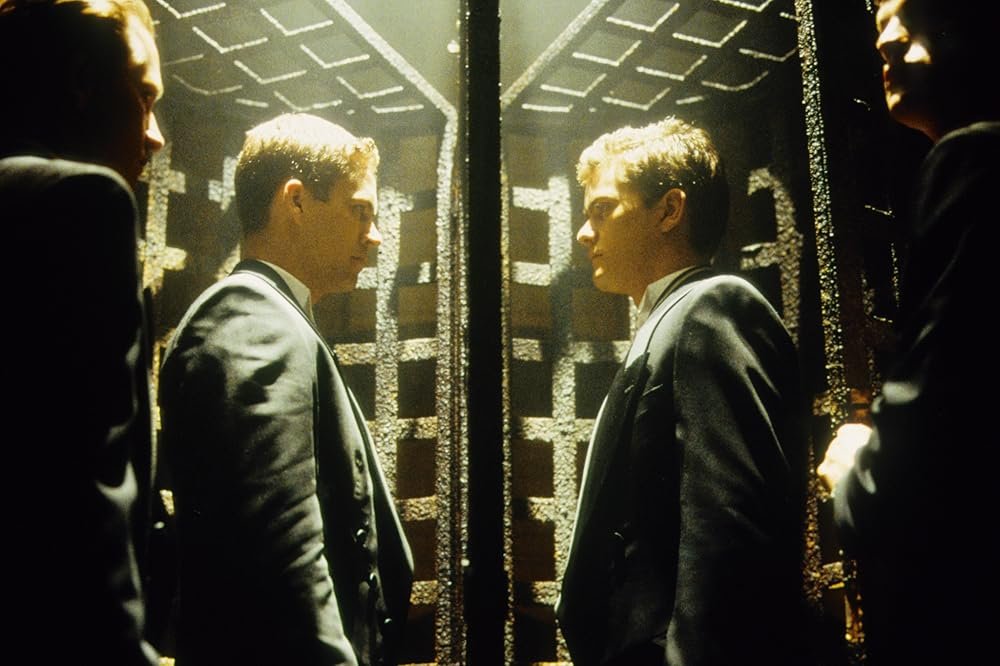
Few subjects grip the collective consciousness quite like secret societies. This fear of a hidden elite controlling power creates a strong foundation for thriller fiction. And The Skulls leans heavily into the high-stakes terror of this premise.
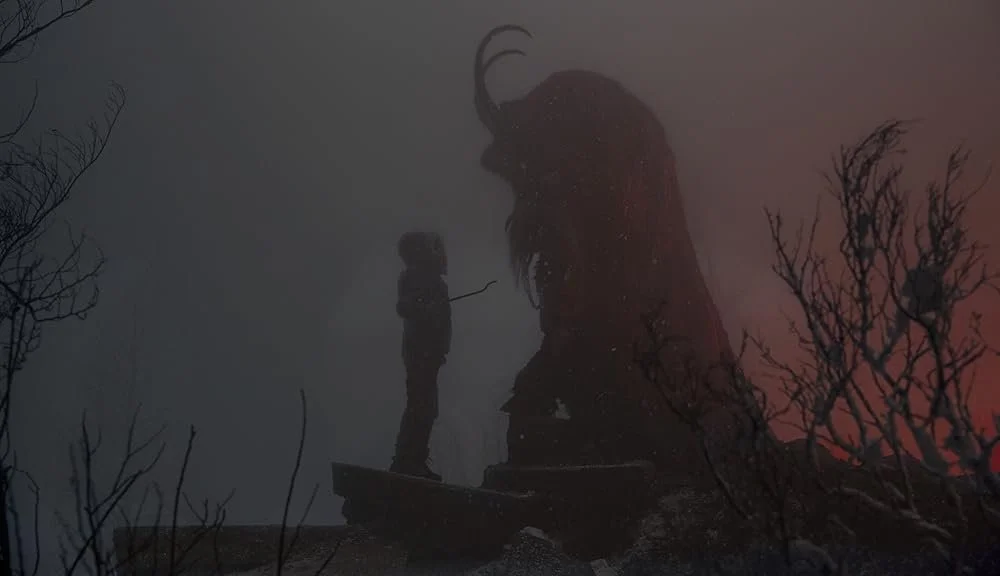
The holidays are an interesting time for many. For some, it’s indicative of family, food, and a joyous holiday spirit. In “the old country,” it’s a time of archaic stories crafted to scare young children into behaving. One of which is what today’s cocktail and bad excuse for a history lesson will focus on: Krampus.
To any external observer, some indifferent alien surveyor, it would be the insects who rule the planet known as Earth. They fill the gamut of ecological niches, from lowly grazer to apex predator. They’ve developed agriculture and architecture as well as less visible, but no less complex, social structures. They outnumber the planet’s dominant mammalian species, an amusingly recent development in its bio-history, by a factor of nearly 1.5 billion to one.
In his feature directorial debut, Alex Kugelman looks to peel back the layers of nepotism and gatekeeping in Hollywood in Don’t Trip. Starring Matthew Sato and Will Sennett, and with appearances by Fred Melamed and Chloe Cherry, Don’t Trip follows Dev Ryan, a struggling screenwriter whose desperation to get his script into the hands of a producer sends him hurtling toward a (comically) tragic end.
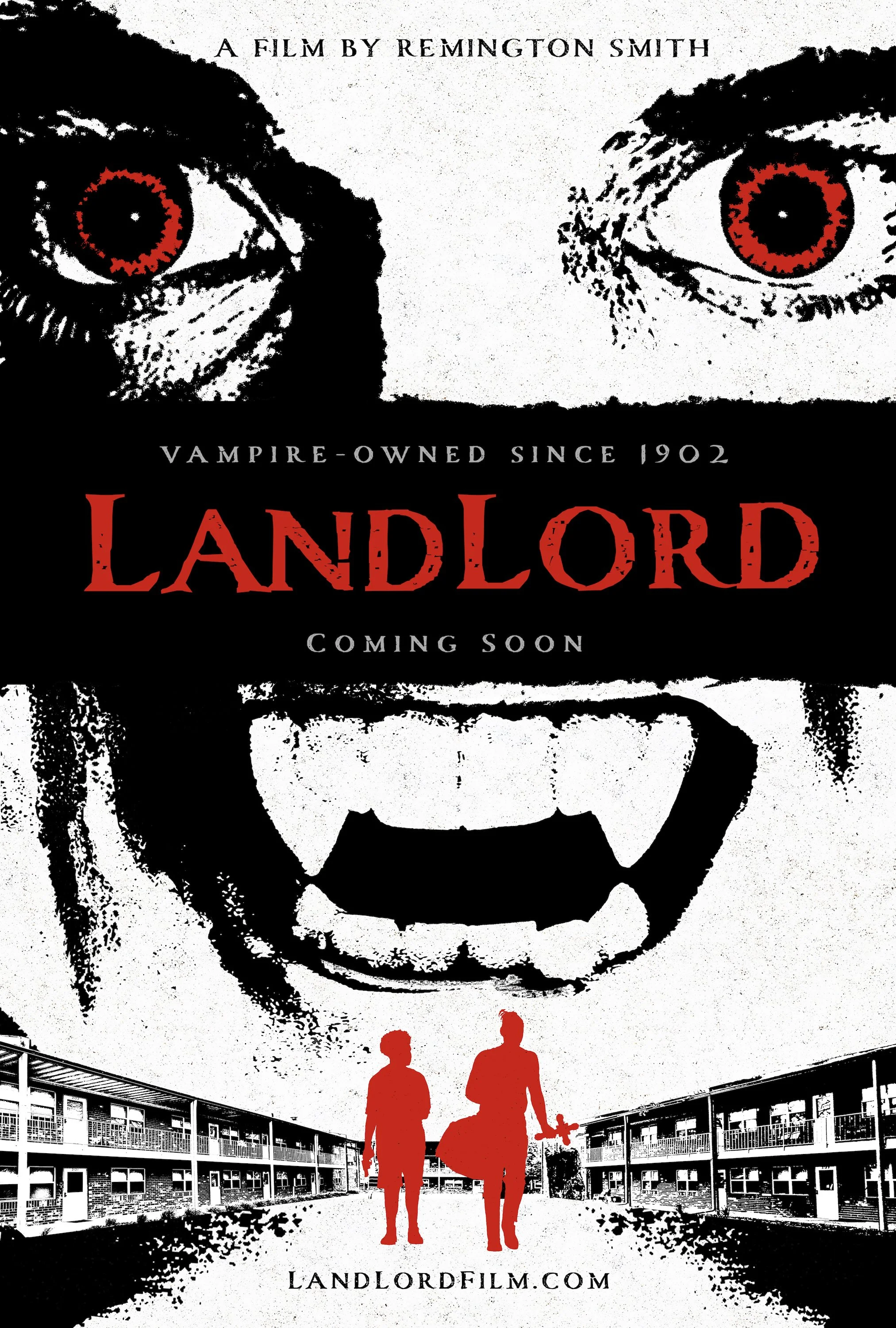
LandLord isn’t going to color inside the lines. Sure, it’ll color inside some of the lines, but this coloring book wasn’t made by someone looking to retread all the cliches. It was made by someone who almost wants you to fall for some of the tropes. If you fall for the tropes, after all, you won’t be expecting the punch.
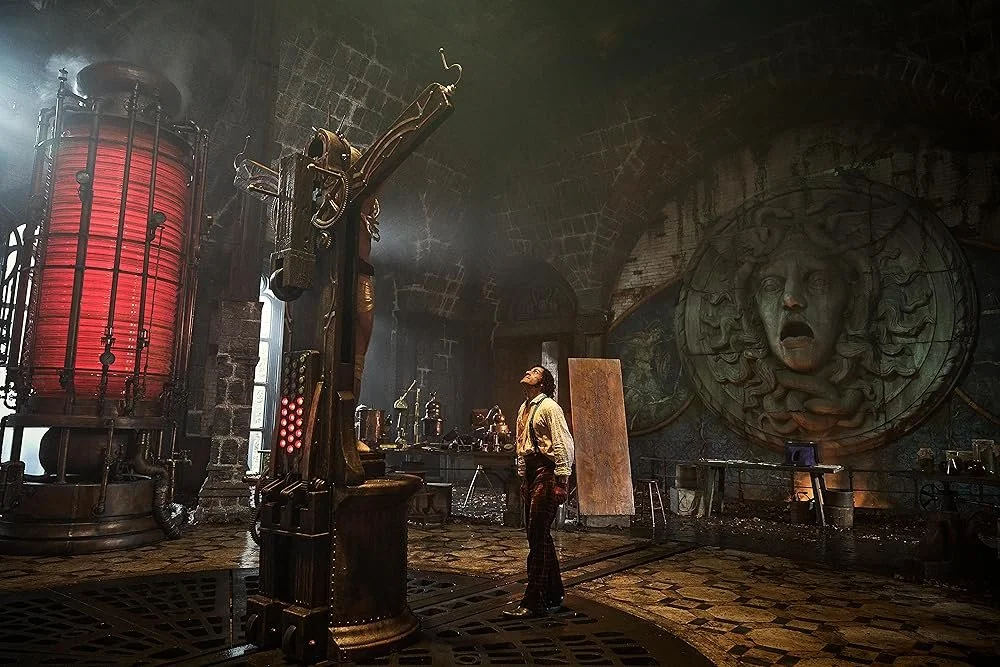
A few weeks ago, Guillermo del Toro's romantic horror film Frankenstein was released on Netflix. The well-known visionary has finally realized a long-held dream by creating one of the most lyrical, visually striking, and faithful adaptations of the classic novel.
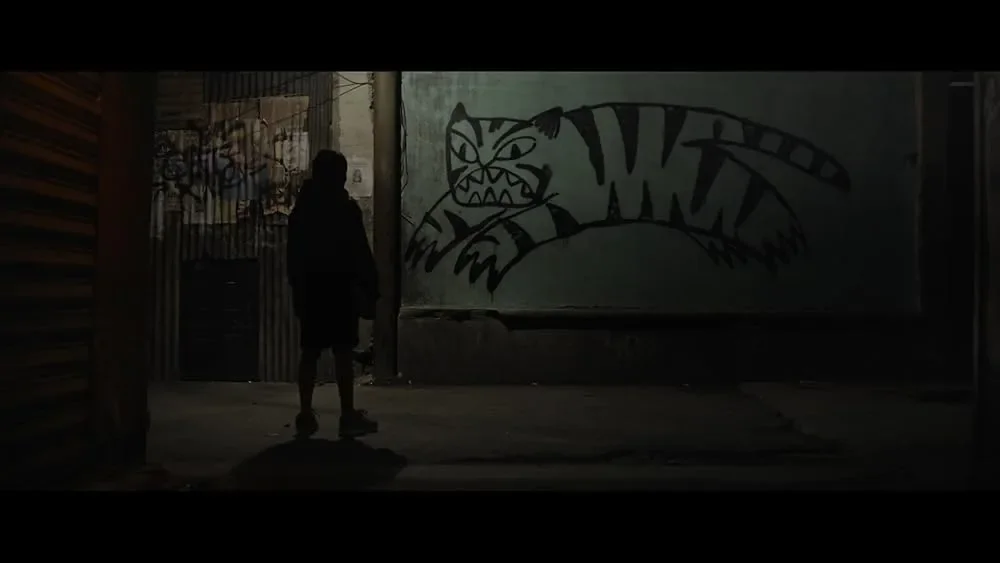
Horror, besides being entertaining, is also a powerful tool for raising awareness, reflecting both individual and collective fears and concerns. While every country has its own horror manifestations, this essay focuses on Mexico because of its unique and unsettling relationship with horror. This relationship is analyzed under the term “mexplatterpunk.”
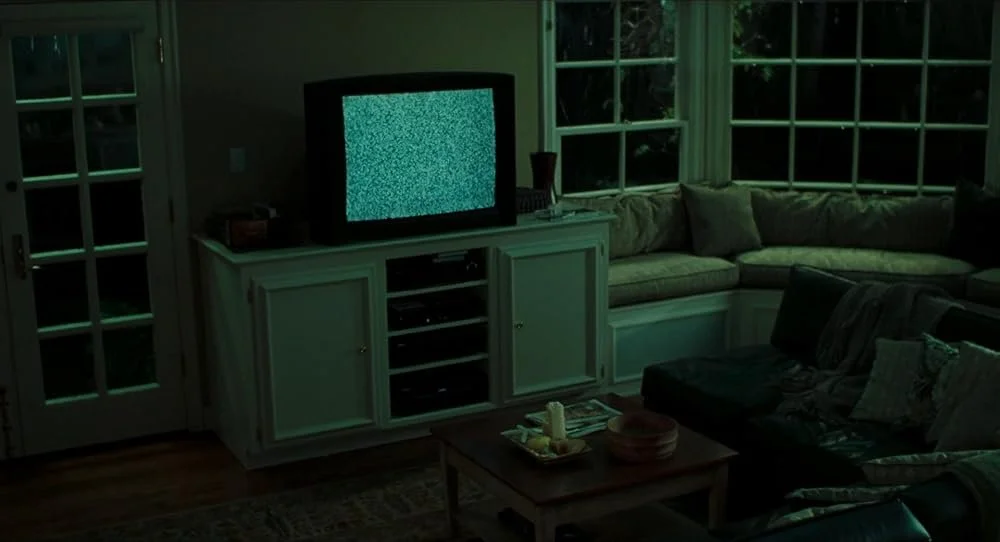
If you've seen The Ring, you know one thing—it sticks with you. Not just for the scares, but the eerie silence. The images. The girl. That cursed tape. Even years later, The Ring movie still has moments that make you sleep with the lights on.
The depiction of the undesirable castaway as horrific monster is a tale as old as Frankenstein, and in the centuries that have passed, this archetype has taken many different shapes, and we can thank new applications of abjection for that. Is it because of the violent nature of the mutilation, or is it because of the repugnant visage of the human body?
Technology has provided the horror genre with ample fodder, more so when it comes to social media. The plotline sometimes errs on the side of the absurd, but the outcome is always the same.
The success of any great piece of entertainment depends on misdirection and unpredictability, but this is arguably more important in horror than in any other genre. That’s because viewers buy into the fact that, when they watch a horror film, the director is going to try to scare them. They’re already ready for the shocks, and this can dampen their effect if they’re not done right.
The Celtic tradition of storytelling, shared characters and plots rising and falling depending on the teller’s whim, is more akin to a churning cauldron of narrative than a formal, indexed (some may say less exciting) library. And all this before we’ve even tackled what we mean by Weird…
Last year, I found myself at odds with the majority of moviegoers who saw Winnie-the-Pooh: Blood and Honey. The reactions generally ranged from apathy to vitriol—how dare they stain the reputations of such loveable public domain characters? That film garnered only 50% approval from audiences on Rotten Tomatoes, and a shocking 3% from critics.
The possibilities of being terrified in one’s own home (or of your home) are endless. It seems strange that one’s place of comfort and reassurance can hold such potential for horror, but it is a theme the genre media has heartily embraced. House arrest, a curtailment of your freedom to escape the horrors within, is a particularly dominant subtheme.
What makes us love fear? Why do we willingly hand over money to be terrified by clowns, ghosts, or possessed dolls that clearly need therapy?
Livestream, a 2025 release, is a chilling addition to your horror movie collection. If you haven’t seen it yet, it follows Mia, who stays in a cabin. She chooses to stream the whole experience, but as night approaches, she soon finds that she’s not quite as safe as she thought she would be.
“They talk about death being cold. It’s life that’s the cold thing.”
If it were possible to sum up Edith Nesbit’s horror fiction in a single line then this quote from one of her final tales would be as good an attempt as any. As Melissa Edmundson tells us in her introduction “[Nesbit’s] characters are always hiding something … whether it be a disappointment, a regret, a fear, a screen, or a crime.” The gaps these acts of hiding create become, inevitably, filled with the chill of ghosts but Nesbit’s unexpected statement that life, not death, is cold also indicates some of the contradictions at the heart of her own life.
Guillermo del Toro is no stranger to sending audiences back in time with his films. The Devil’s Backbone (2001) takes place during the Spanish Civil War, while both Hellboy (2004) and Pan’s Labyrinth (2006) are set during World War II—not to mention the 60s-set The Shape of Water (2017) and post-depression era Nightmare Alley (2021)…
Racism is not always loud or violent—it can be quiet and even polite, and in those cases, hidden behind a fake smile. The horror movie Get Out perfectly shows these kinds of racism, and I actually didn’t expect this movie to turn out the way it did.
Let Us Prey is a horror film with just the right amount of gore and scares. But when it comes to the deeper meaning of the movie, there are religious aspects that are too obvious. That’s what made me stick and actually watch the entire movie. At its core, the story feels like a lesson about sin, guilt, and judgment.
The Haunting of Hill House came out on Netflix in 2018, and it quickly gained a lot of attention. The series was created by Mike Flanagan and was inspired by Shirley Jackson’s classic novel. It tells the story of the Crain family and how their lives were forever changed by the time they spent in Hill House. If you're a fan, you've probably read a lot of reviews about this TV series. But beyond the scary story, it actually carries a lot of depth in terms of the pain we carry as people.
Bones and roots adorn the walls of their dimly lit home. A mjölnir necklace hangs around K.’s neck as he hand carves incense into a small cauldron burner and a breathy soundtrack begins to play. This is a couple that is in tune—with themselves, with the natural world, and, as we will soon see, the supernatural world, as well.